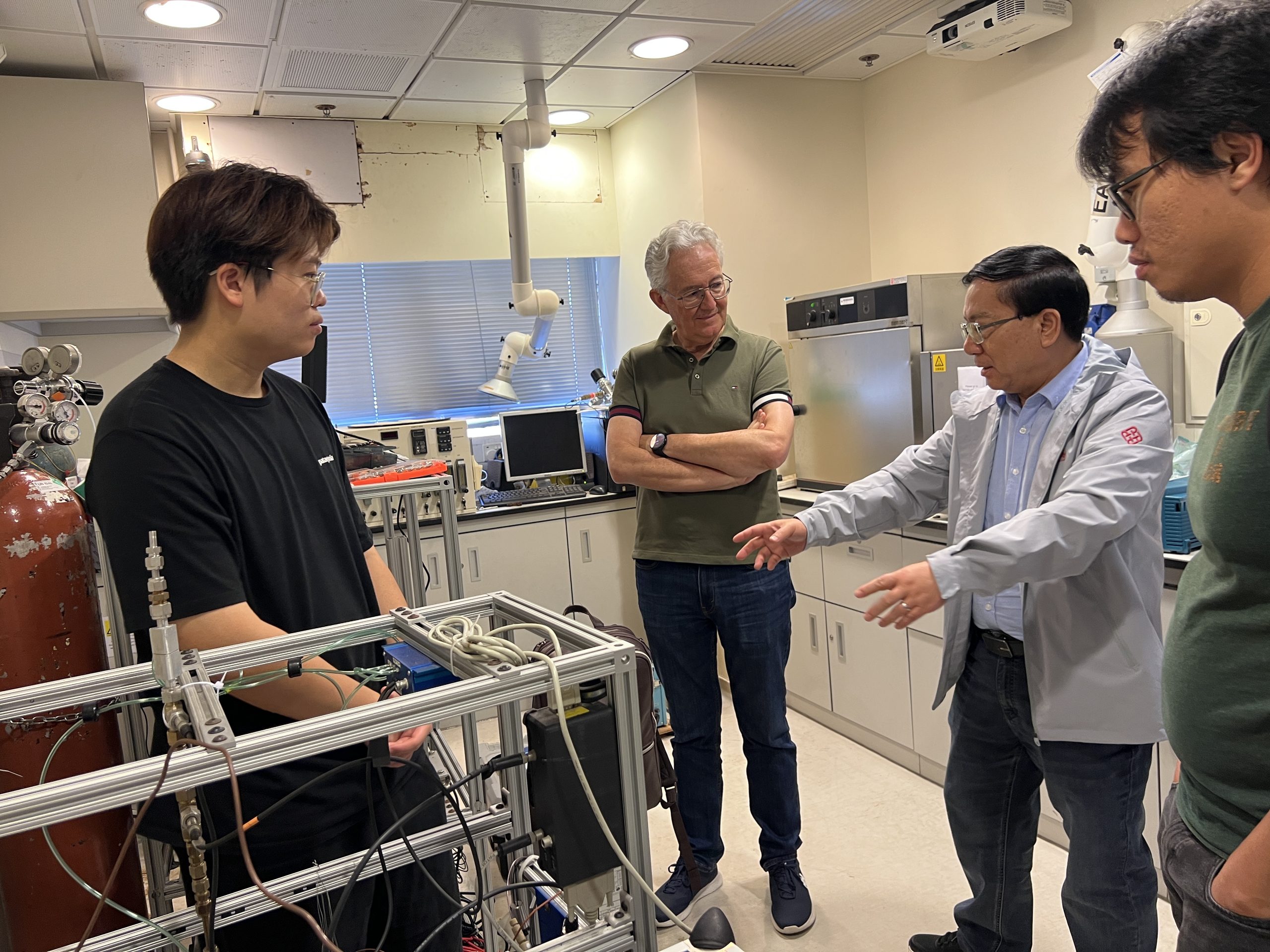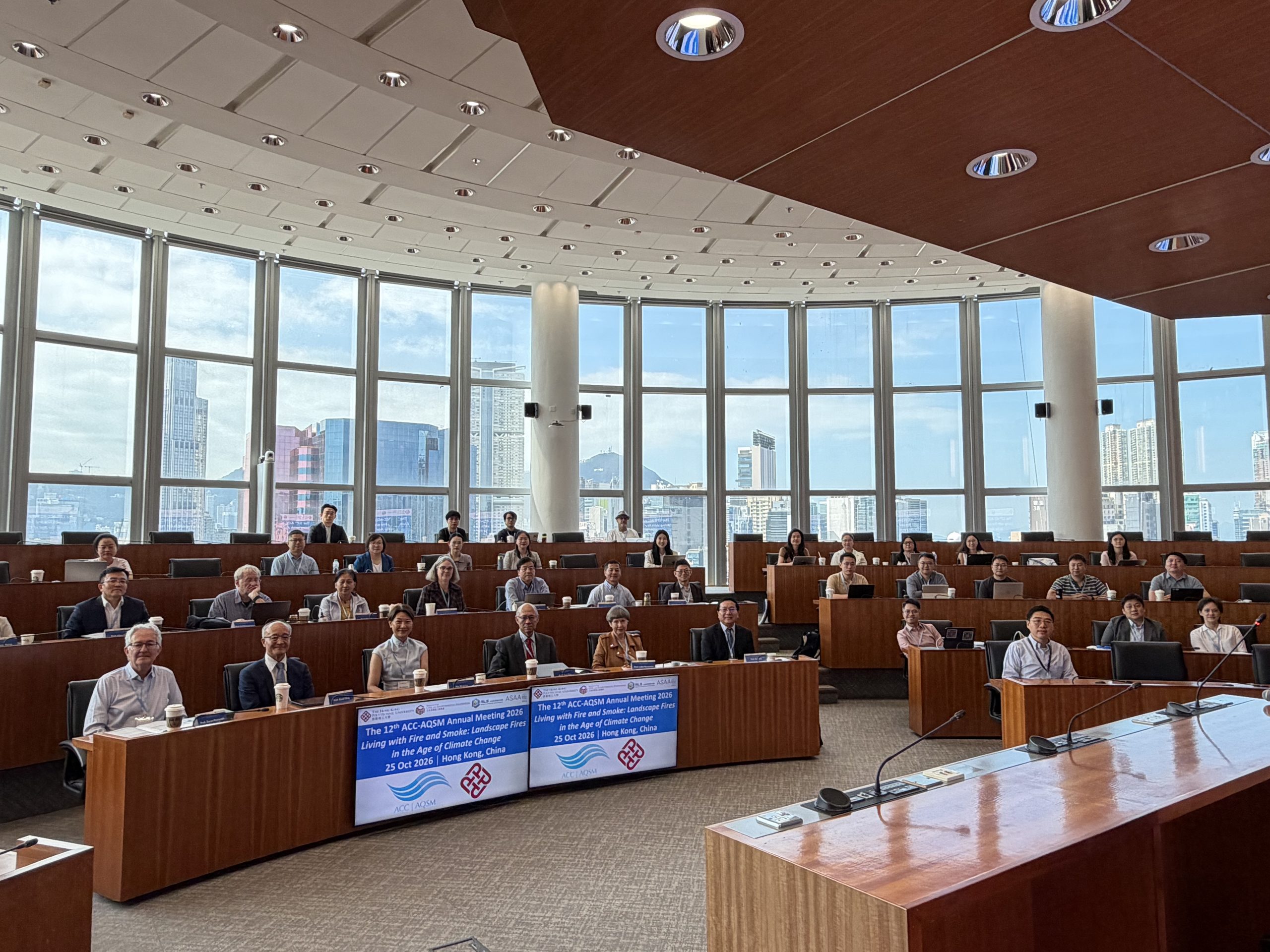

The extension agreement for the Australia–China Centre for Air Quality Science and Management is nearly finalised, pending the final signature from one remaining institution. Even more exciting is the renewal and expansion of our membership. In 2025, several new universities have joined the Centre (from Australia: Monash University, Deakin University, and University of Tasmania, from Hong Kong, China: Hong Kong Baptist University and The Chinese University of Hong Kong), bringing fresh expertise and new opportunities for collaboration across our network.
Short biographies of representatives from these institutions are provided below.
Monash University 蒙纳士大学
Professor Yuming Guo 郭玉明
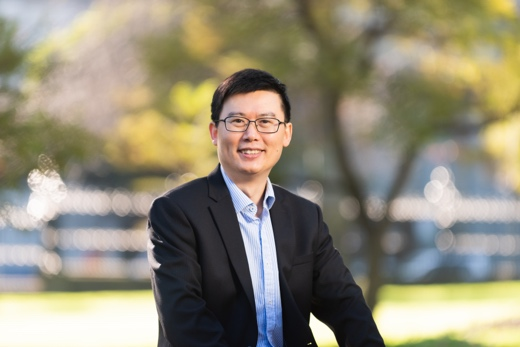
Dr. Yuming Guo is a Distinguished Professor of Global Environmental Health and Biostatistics at Monash University, where he leads the Climate, Air Quality Research (CARE) Unit. Renowned for his pioneering work on the health impacts of air pollution, climate change, and extreme weather, Guo has published over 600 peer-reviewed articles in high-impact journals such as The Lancet, NEJM, Nature, and The BMJ. With more than 170,000 citations and an H-index of 117, he is among the world’s most influential climate-health researchers. His research integrates environmental epidemiology, remote sensing, and biostatistics to assess global disease risks and burdens linked to environmental exposures. Guo’s contributions have earned him fellowships in elite scientific academies, including the Academia Europaea, and major research support from bodies like the NHMRC, ARC, and Wellcome Trust. His work plays a critical role in shaping public health policy and advancing the field of environmental health science.
University of Tasmania 塔斯马尼亚大学
Professor Fay Johnston
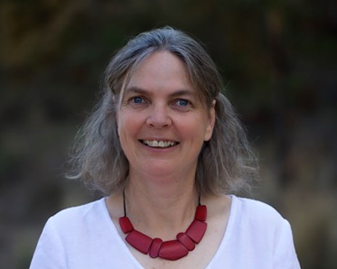
Professor Fay Johnston is a distinguished public health physician and environmental epidemiologist at the University of Tasmania’s Menzies Institute for Medical Research where she leads the Environmental Health Research Group focusing on how airborne hazards such as bushfire smoke, biomass combustion, aero-allergens, and extreme heat events affect human health. A medical doctor with specialist qualifications in public health and general practice (BMBS; MAppEpi; FAFPHM; FACRRM) and a PhD in environmental epidemiology, her multidisciplinary work spans practical public health interventions, epidemiological studies of long‑term and early‑life exposure to air pollution, and the co-development of evidence-based tools and policies that safeguard community health in the face of environmental change. Johnston has spearheaded significant initiatives like the AirRater app launched in 2015, the first integrated system to monitor and communicate air quality and aeroallergens in real time, and the Centre for Safe Air, a national NHMRC Centre of Research Excellence that brings together a network of leading air pollution experts to foster innovation, collaboration and translation of evidence into policy and practice. As lead investigator on multiple national and international projects, she has informed policy on air quality and played pivotal advisory roles during emergencies such as the Hazelwood mine fire and the extreme pollution of the 2019- 2020 Australian bushfires. Recognized internationally, she was named a global Women Leader in Fire Science and honoured as the 2019 Air Quality Champion by the Clean Air.
F
Deakin University 迪肯大学
Dr Svetlana Stevanovic

Dr Svetlana Stevanovic is a Senior Lecturer in Environmental Engineering at Deakin University in Geelong, Victoria. She holds a PhD in Atmospheric Chemistry/Physics from Queensland University of Technology. Her research focuses on air quality and environmental health, with particular interests in particulate matter, semi-volatile organics, aeroallergens, soil gas, and carbon sequestration. She leads Deakin’s Air Quality Engineering and Aerosol Research Group, where her work bridges environmental engineering, atmospheric science, and toxicology. Dr Stevanovic is recognised for advancing the use of oxidative potential as a health-relevant pollution metric, and for developing novel real-time instruments, including the RAAD and PINQ, to assess aerosol reactivity. Her research combines chemical analysis with in vitro cell exposure models to investigate the toxicity of airborne and indoor contaminants, supporting improved environmental monitoring and public health protection.
Hong Kong Baptist University 香港浸会大学
Dr. Xiaopu Lyu 吕效谱

Dr. Xiaopu Lyu is an Assistant Professor in the Department of Geography at Hong Kong Baptist University. His research primarily focuses on the formation mechanisms of photochemical air pollution, including sources and atmospheric behaviours of volatile organic compounds, regional and global studies on tropospheric ozone pollution, and the sources and formation of organic aerosols. To date, he has published over 80 scientific papers in internationally renowned journals, serving as the first and corresponding author in notable publications such as One Earth, Environmental Science & Technology, and Journal of Geophysical Research: Atmospheres. His research has been cited over 3,900 times, reflecting an H-index of 34. Dr. Lyu has successfully secured and led numerous competitive research grants totalling over HK$ 8.5 million, including two RGC/GRFs, one RGC/CRF (Co-PI), one PPRFS, and one NSFC/Youth Science Fund. He is actively involved in the scientific community, serving as the standing committee member of the Ozone Pollution Control Professional Committee of the Chinese Society for Environmental Sciences and a member of the HKDSE Geography Subject Committee.
Chinese University of Hong Kong 香港中文大学
Professor Alex Chow Tat-Shing 周达诚
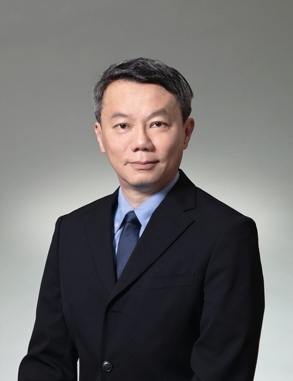
Professor Alex Chow Tat-Shing is the Head and Professor of the Department of Earth and Environmental Sciences at The Chinese University of Hong Kong, renowned for his interdisciplinary research in air and water quality. With a background in chemistry and hydrologic science from the University of California, Berkeley and Davis, Prof. Chow has developed a strong international research portfolio that bridges atmospheric and aquatic systems. His work emphasizes the biogeochemical cycling of carbon and nitrogen, particularly the transformation of organic matter in the environment and its implications for both air and water pollution. He has led pioneering studies on the formation of airborne pollutants from dissolved organic compounds and wildfires, contributing critical insights into the connections between land disturbance, atmospheric emissions, and urban air quality. At CUHK, he is spearheading the establishment of a cutting-edge Environmental Organic Carbon Fingerprint Imaging Laboratory, aimed at advancing the science of pollutant source apportionment and improving regional air quality management. Prof. Chow also contributes to major international initiatives, including field research in Antarctica examining carbon feedbacks under climate change—work that further underscores his expertise in global air quality and environmental sustainability.
Chinese University of Hong Kong 香港中文大学
Dr. Amos P.K. Tai 戴沛权

Amos P. K. Tai is a Professor and the Deputy Chair (Education) of the Department of Earth and Environmental Sciences at The Chinese University of Hong Kong (CUHK). Amos obtained his B.Sc. from MIT, Ph.D. in Environmental Science and Engineering from Harvard University, and was a Croucher Postdoctoral Fellow at MIT before he joined CUHK in 2013. Amos specializes in atmospheric chemistry and physics, ecological climatology, and sustainable agriculture and forestry. His research combines Earth system modeling and big-data analytics to address pressing sustainability issues, including the impacts of air pollution and climate change on forest ecosystems and agriculture, and how food system transformation and better land management can mitigate climate change and environmental pollution. His work has been published in top-ranking journals including Nature Climate Change and Nature Food, and earned him the World Meteorological Organization (WMO) Research Award for Young Scientists, Early Career Award from the Research Grants Council, Science Faculty Young Researcher Award, and founding membership of the Hong Kong Young Academy of Sciences. Amos is also a passionate educator, having received the prestigious CUHK Vice-Chancellor Exemplary Teaching Award and Faculty of Science Exemplary Teaching Awards. He delights in promoting science, environmental and sustainability education for the public, regularly giving talks in schools and public avenues, participating in many TV and radio programs, and providing consulting services to various government departments, international agencies and NGOs. He currently serves as a board member of Friends of the Earth (HK) and Cedar Foundation. For his professional contributions and public services to society, he was named one of the Ten Outstanding Young Persons of Hong Kong in 2024.